File photo: a reef near Ko Rang, Thailand, December 2019; not a measurement or photograph of the 2025 marine heatwave. Photo: kallerna · CC BY-SA 4.0. Reduced-resolution reproduction under the same license.
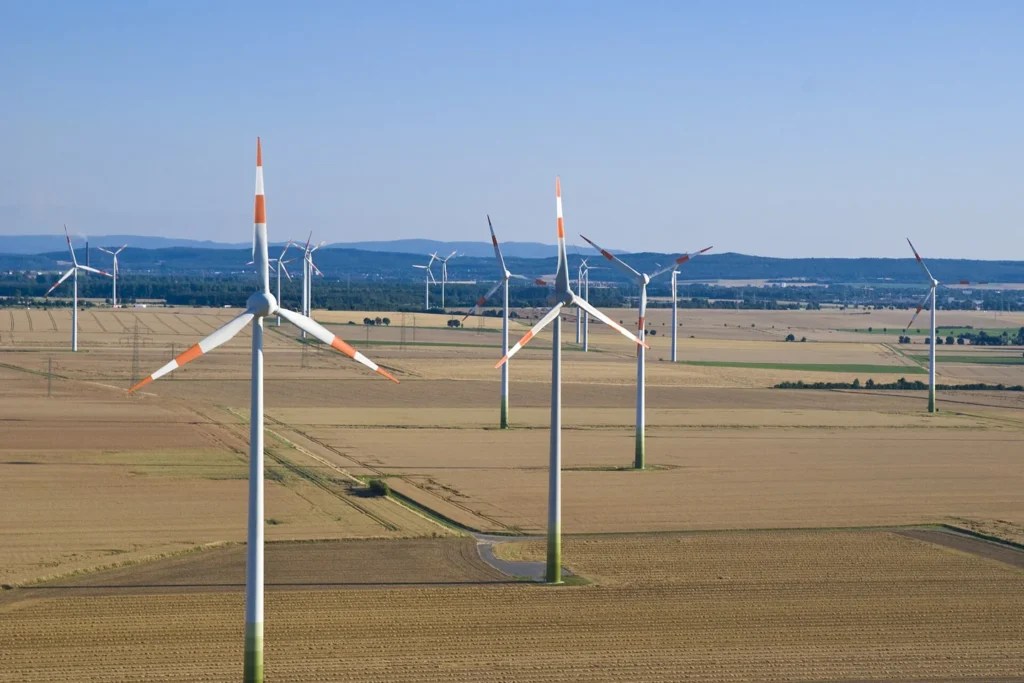
File photo: wind turbines in Lower Saxony, Germany, July 2008; illustrative infrastructure. Photo: Philip May · CC BY-SA 3.0. Resized and converted to WebP under the same license.
Battery production, charging electricity and driving distance all shape an electric car’s climate footprint. Here is how to read the evidence in Southeast Asia.
Illustrative photo of EV charging; location not established as Southeast Asia. Photo: Nenad Stojković (Shixart1985) · CC BY 2.0. Reduced-resolution reproduction.
The IEA projects a tripling of residential air conditioners by 2035. What that means for electricity, efficient buildings and cooling access in Southeast Asia.
Illustrative file photo: Hong Kong, 2016; not a Southeast Asian project pictured in the report. Photo: Dan Riñon · CC0. Reduced-resolution reproduction.
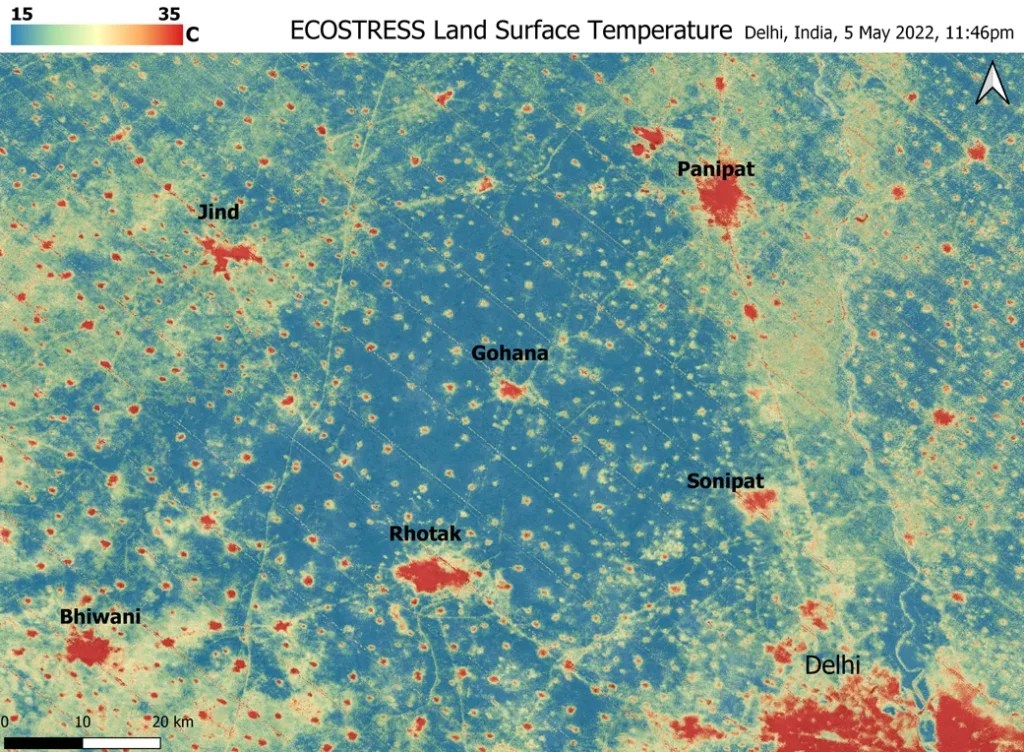
Nighttime ground temperatures around Delhi, May 5, 2022, measured by NASA ECOSTRESS. Historical illustration; surface temperatures, not air temperatures. Image: NASA/JPL-Caltech — public domain (source and rights). Resized and converted to WebP.
AI has no single electricity cost per question. Explore what current evidence tells us about training, inference, data centres and the climate impact of growing demand.
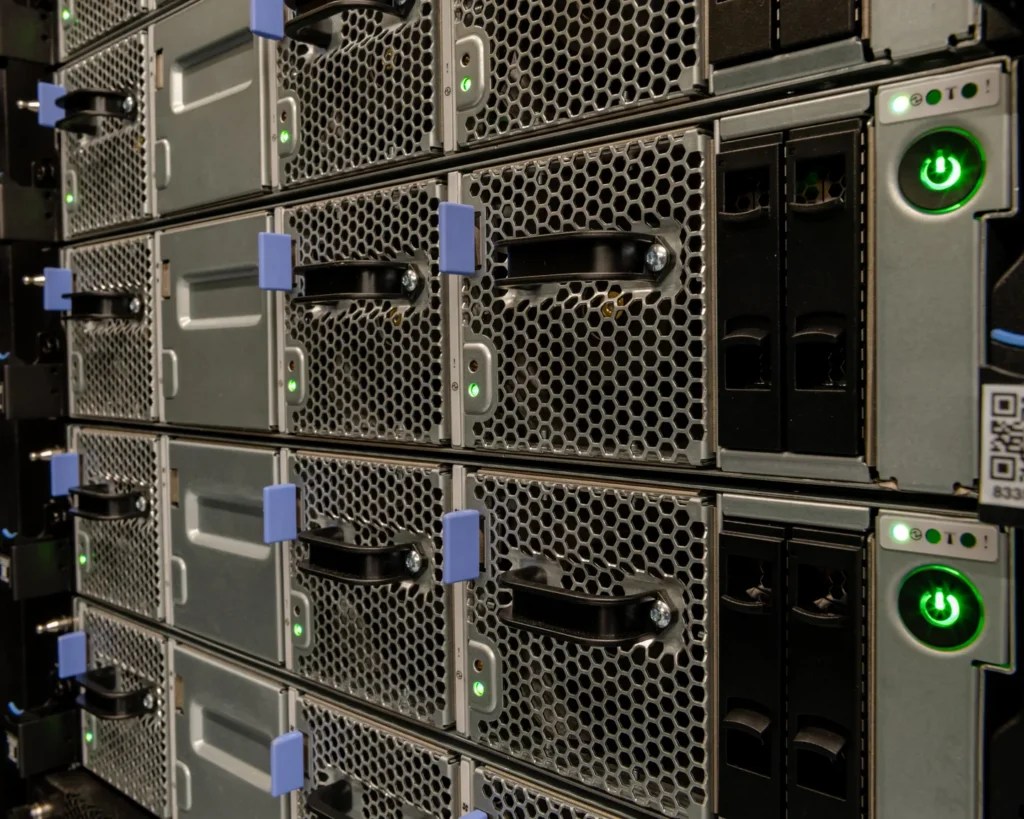
Summit supercomputer at Oak Ridge National Laboratory, May 2018. Historical illustration of computing hardware, not a current commercial AI facility. Photo: Carlos Jones/ORNL · CC BY 2.0. Resized and converted to WebP.
Southeast Asia's data centre electricity demand is set to grow sevenfold by 2030. Here's what's driving it, which grids can absorb it, and what it costs.
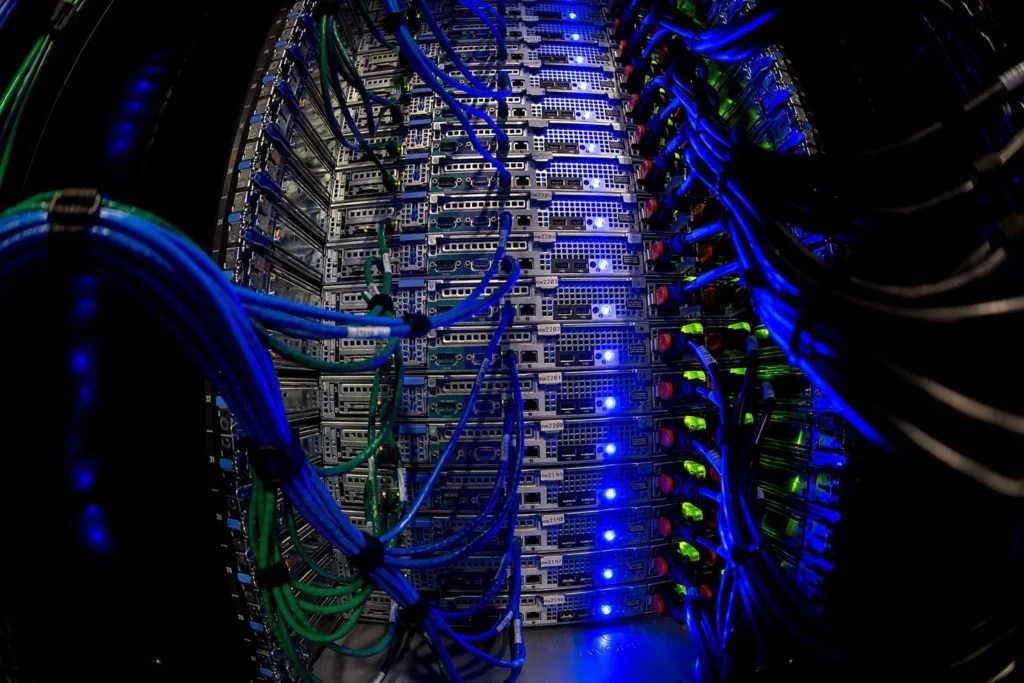
File photo: Wikimedia Foundation server racks, 2015. This is an illustrative data-centre image, not a photograph of an ASEAN facility. VGrigas (WMF) — CC BY-SA 3.0. Resized and converted to WebP.
Understanding the Climate Crisis—and What We Can Do
Climate change affects the systems people depend on—from electricity and food to water and healthy ecosystems. Start with the causes, follow the evidence, and explore the responses.
What Is the Climate Crisis?
The climate crisis describes the growing risks associated with human-driven climate change. Burning coal, oil and gas, alongside changes in land use, releases greenhouse gases that warm the planet. The consequences extend beyond temperature, affecting rainfall, oceans, ice and ecosystems.
The risks are not the same everywhere. Where people live, the infrastructure available to them and their access to resources all influence how they experience a changing climate.
Muir Inlet, Alaska, photographed in 2004. Historical glacier photography complements satellite and field measurements. U.S. Geological Survey · Public domain · Resized and converted to WebP.
What Does the Evidence Show?
Scientists compare surface temperatures, ocean observations, atmospheric measurements and changes in ice. Looking across these records helps distinguish long-term climate change from short-term weather.
A photograph can illustrate a place and time. Understanding a trend requires measurements across years, with clear methods and a stated reference period. Our evidence guide explains how to read those records and the claims made about them.
Extreme heat, changing rainfall and coastal hazards raise different questions for cities, farms and coastal communities. A useful local assessment considers both the physical hazard and who or what is exposed to it.
For cities, that includes shade, building design and access to cooling. For farmers, it includes water availability and reliable irrigation. For coastal communities, sea-level rise and ocean warming create challenges that depend on local conditions. Our explainers connect these issues to evidence and practical decisions, without treating one regional average as a prediction for every place.
Climate responses involve cutting emissions and preparing for impacts. Personal choices matter alongside the energy systems, transport networks, business decisions and public policies that shape the options available.
At home
Understand energy use, reduce avoidable waste and consider efficiency when equipment needs replacing.
Businesses and governments also shape investment, buildings and public services. When assessing a climate commitment, ask what it covers, when it will happen and how progress will be checked.
A carbon footprint estimates greenhouse gas emissions associated with an activity, product, person or organisation. Its meaning depends on the boundaries, data and assumptions behind the calculation. Use an estimate to identify questions and track changes—not as a complete account of your influence.
ClimateCrisis.net publishes source-linked articles and explainers. Publication dates show when an article appeared; they do not mean every study it discusses is new. This homepage guide was prepared with AI assistance. See our editorial information for how the site uses AI and how to raise a question or correction.